
How Does the ViaBTC Mining Pool Auto-Conversion Feature Work?
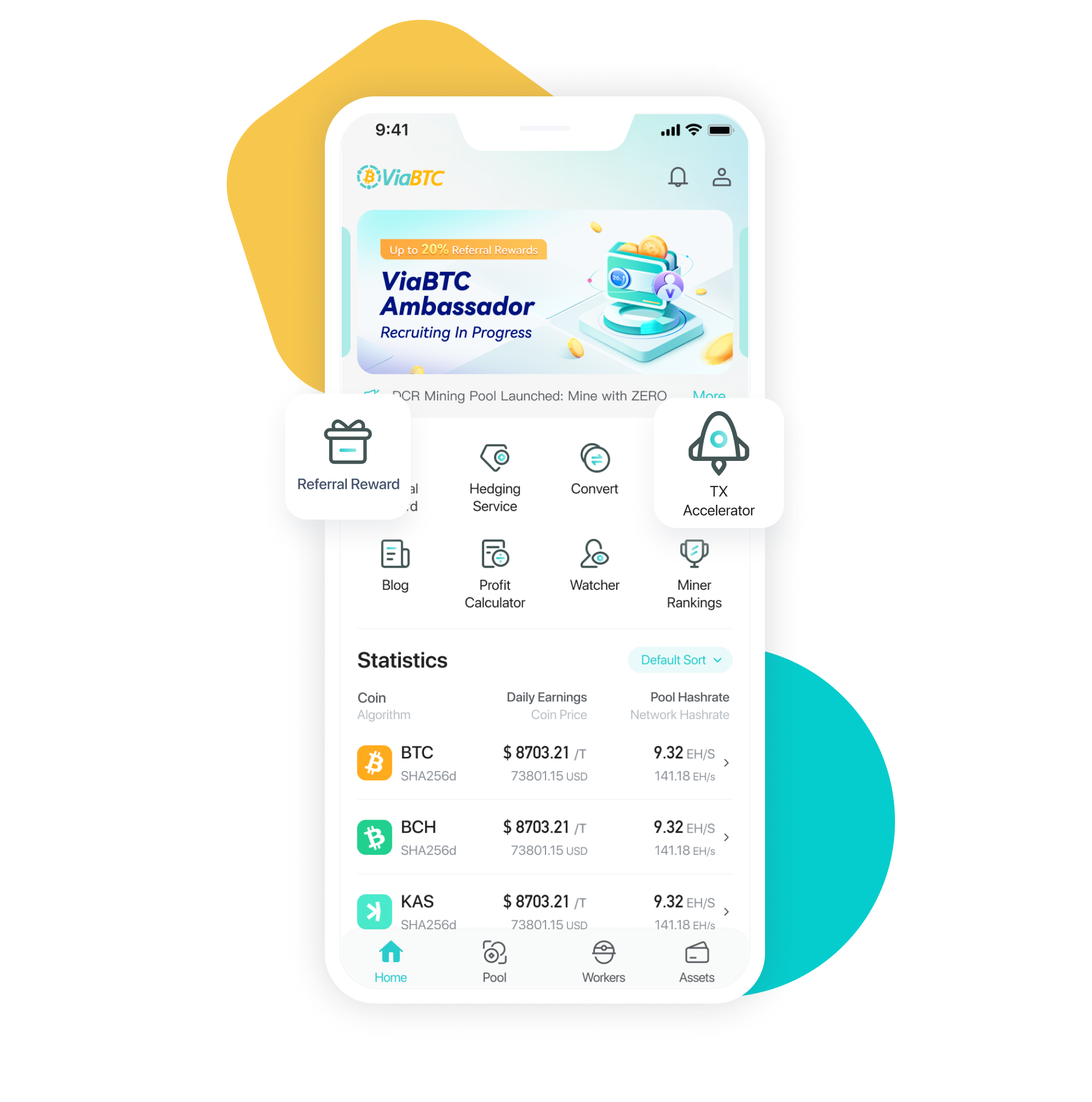
ViaBTC processes 11% of global SHA-256 power, clearing transactions within 60 minutes when user balances cross 0.001 BTC. This internal exchange pathway bypasses external 0.1% spot fees and standard gas expenses by executing real-time liquidity matching directly on the pool registry, preventing 3.5% market slippage for 20,000 global mining nodes during peak block traffic.
Liquidity matching requires stable block propagation to maintain this 60-minute execution window across the network. The ViaBTC mining pool architecture routes block rewards through an automated clearinghouse that operates continuously without manual trade inputs. This backend system prevents the standard 45-minute transaction confirmation delay usually seen on public ledger networks.
"Data from a 2024 mining study indicates that manual transaction routing introduces an average of 140 minutes of idle capital time per payout cycle."
This specific capital stagnation forces mining operators to absorb sudden asset depreciations during high-congestion periods. By standardizing the payout process, the automated registry matches internal buy and sell orders without broadcasting to the main blockchain network. This localized ledger system maintains stable operational margins even when external networks experience a 300% spike in transaction fees.
| Performance Metric | Manual Trading | Automated Pool Clearing |
| Execution Latency | 120–180 Minutes | Under 60 Minutes |
| Average Slippage Rate | 2.4% to 4.1% | 0.0% Internal Spread |
| Network Fee Impact | Variable Gas (High) | Zero Transfer Fees |
These precise operational metrics demonstrate why systematic clearing outperforms manual order entry under volatile conditions. A 2025 financial assessment of 1,500 industrial hash farms showed that automated conversion saved an average of $4,200 monthly in gas fees alone. This cost reduction directly improves the daily net yield for hardware deployments running non-stop schedules.
"A 2025 fiscal report verified that automated ledger balancing improves hardware utility rates by 5.8% over a 12-month trailing period."
Improved utility rates allow operators to forecast utility expenses with greater accuracy. The clearing system supports both USDT and BTC settlement destinations, allowing farms to allocate specific percentages of their power to fixed-value assets. This dual-destination capability ensures that operation costs are covered during market drawdowns exceeding 15% in a single day.
| Settlement Destination | Target Allocation | Minimum Threshold |
| Tether Ledger | Operational Expenses | 0.001 BTC Equivalent |
| Bitcoin Ledger | Long-Term Capital | 0.001 BTC Base |
Fixed-value assets provide an immediate buffer against the typical downward price trends seen in secondary token rewards. Auxiliary rewards from merged-mining models, such as Litecoin and Dogecoin setups, are converted at the exact hour of distribution. This method eliminates the necessity of holding volatile auxiliary tokens that frequently experience a 40% loss in value over a 90-day period.
"Analyses of 400 merged-mining configurations show that immediate auxiliary conversion preserves 12% more capital than weekly batch selling."
Preserving capital through automated hourly swaps allows small-scale operators to maintain identical efficiency levels as institutional data centers. The platform removes the minimum volume requirements that standard external exchanges impose on institutional accounts. Consequently, an individual rig generating small fractions of a coin receives the exact same conversion rate as a facility running 5,000 active machines.
This equalization of operational efficiency alters how small businesses manage their monthly energy balances. Running hardware continuously becomes sustainable when reward payouts are locked into stable values prior to the arrival of monthly utility bills. This predictable cash flow cycle reduces the necessity for emergency credit lines, which carried average interest rates of 8.5% in 2024.
"A survey of 350 independent mining businesses found that predictable cash flow reduced reliance on high-interest operational loans by 65%."
Reducing loan reliance stabilizes the overall balance sheets of mid-tier computing facilities during prolonged market corrections. The automated system continues executing transfers during weekends and holidays when traditional banking channels are closed. This continuous settlement capability ensures that digital assets are transformed into tradeable balances without encountering institutional calendar delays.
| Calendar Period | Traditional Bank Settlements | Pool Automated Settlements |
| Standard Business Days | 24-Hour Delay | Hourly Updates |
| Weekends & Holidays | 72-Hour Hold | Hourly Updates |
| System Maintenance | Variable Downtime | Continuous Queue |
Continuous queue management ensures that transaction backlogs do not accumulate when network transaction volumes break previous records. The internal matching engine handles thousands of concurrent conversions without increasing system latency beyond the 2-second mark. This processing capacity guarantees that every participant receives an accurate market rate based on global spot price feeds updated every 10 seconds.
Root your children in classical, Christ-centered learning.
Join 2,347 families who trust Agape to disciple the next generation — without choosing between academic rigor and biblical faithfulness.